




















Last updated on May 13th, 2026 at 09:02 pm
Franklin Joseph Article > Breaking the Silence on Sexual Harassment and Eve-Teasing: Corporate Strategies for Female Employee Protection
Understanding Sexual Harassment and Eve-Teasing: Definitions and Impact on Workplace Safety
Sexual harassment and eve-teasing represent significant workplace safety concerns affecting female employees across professional environments. Sexual harassment encompasses unwanted sexual advances, requests for sexual favours, and offensive language or physical conduct that creates hostile work atmospheres. These inappropriate behaviours occur in multiple settings including offices, public transportation, and educational institutions. Importantly, sexual harassment extends beyond visible actions to include hidden violations such as vulgar remarks, inappropriate emails, suggestive jokes, and unwanted attention, all contributing to compromised employee safety and reduced workplace productivity.
Eve-teasing, a term prevalent in South Asian contexts, describes public harassment and intimidation primarily targeting women. It includes staring, catcalling, unwanted physical contact, and intrusive behaviour frequently occurring in crowded areas. The seemingly casual terminology masks profound emotional and psychological damage inflicted upon victims. Both sexual harassment and eve-teasing perpetuate gender stereotypes, objectify individuals, and maintain power imbalances that undermine women’s professional confidence and organisational belonging.
Cultural context significantly influences how these behaviours are perceived and addressed. In some communities, certain eve-teasing forms remain socially tolerated, resulting in minimal offender consequences and victim silence. Conversely, jurisdictions with stringent workplace safety regulations and gender safety programs enable employees to report incidents with reduced fear of retaliation. Understanding these expressions within specific cultural frameworks proves essential for organisations committed to creating inclusive professional environments where all employees feel secure and valued.
Addressing sexual harassment and eve-teasing in corporate settings requires comprehensive Power to Women Corporate Self-Defence Workshops for Professional Female Employees that combine awareness education with practical self defence capabilities. These specialised corporate wellness training programmes go beyond conventional harassment prevention training to empower women with psychological resilience and practical response strategies.
The Stigma Surrounding Victims: Breaking Barriers to Reporting in Corporate Environments
Substantial stigma surrounding sexual harassment and eve-teasing victims creates formidable barriers preventing incident reporting and support seeking within organisations. This stigma manifests through victim-blaming attitudes that assign responsibility to those experiencing harassment rather than offenders, perpetuating feelings of shame, isolation, and diminished professional self-worth. Social expectations regarding appropriate female employee behaviour and responses to unwanted advances create atmospheres where victims question whether reporting incidents constitutes appropriate professional conduct.
The internalisation of societal criticism causes many female employees to doubt personal confidence and professional value after experiencing harassment. Victims frequently hesitate coming forward due to fears of disbelief, blame assignment, or professional retaliation from colleagues or supervisors. Many victims experience profound isolation, believing their experiences are unique rather than recognising widespread harassment patterns affecting numerous female professionals. Persistent misconceptions blaming victims’ clothing, behaviour, or demeanour for provoking harassment reinforce victim-blaming cultures that discourage reporting.
These false beliefs create organisational climates where victims receive defensive responses rather than validation, support, and appropriate corrective action. The widespread stigma surrounding sexual harassment extends beyond individual emotional impacts to influence organisational standards, discouraging open discussion of critical workplace safety issues. Victims frequently remain silent, internalising trauma and allowing harassment patterns to continue unchecked, ultimately damaging both individual wellbeing and organisational culture.
Read Franklin Joseph Corporate Women Empowerment / Self Defense ArticlesCall 9886769281 for Corporate WorkshopsOrganisations can begin dismantling this stigma by implementing comprehensive Power to Women Corporate Self-Defence Workshops for Empowered Workplace Cultures that normalise victim support and offender accountability. Through women’s empowerment workshops and employee safety training that specifically addresses victim-blaming myths, organisations create psychologically safe environments where female employees feel genuinely supported in reporting incidents and accessing necessary assistance.
Cultural Norms and Gender Roles: How Traditional Attitudes Enable Workplace Harassment
Social norms and established gender roles profoundly influence sexual harassment and eve-teasing prevalence within organisations and broader society. Patriarchal systems governing expected behaviour based on gender frequently normalise unacceptable conduct toward female employees, creating organisational cultures where harassment remains tolerated or minimised. These deeply ingrained social norms reinforce the concept that men must demonstrate dominance and control, occasionally manifesting through harassment that diminishes women’s professional autonomy and workplace confidence.
Toxic masculinity represents a critical element within these discussions, perpetuating harmful ideologies portraying men as inherently aggressive and sexually assertive whilst minimising women’s fundamental rights to comfortable, respectful professional environments. This cultural narrative discourages female employees from voicing discomfort or opposition, placing inappropriate responsibility upon victims rather than addressing offender accountability. Victim-blaming storytelling, deeply embedded within these gender role frameworks, prevents harassment disclosure by creating expectations that victims will encounter disbelief, professional consequences, or blame for harasser behaviour.
Effectively addressing these patterns requires collective challenge to accepted gender-based standards within organisations. Comprehensive awareness campaigns and CSR women’s safety initiatives promoting positive gender role models create supportive environments where female employees can confidently report harassment without fearing stigmatisation. Gender safety programs specifically designed for corporate environments help reshape organisational attitudes regarding professional conduct expectations and mutual respect.
Implementing Power to Women Corporate Self-Defence Workshops for Gender-Inclusive Organisations provides female employees with psychological empowerment enabling them to challenge harassment whilst building confidence in professional environments. These corporate self defence programmes address the psychological dimensions of toxic masculinity and gender-based harassment, equipping women with assertiveness and boundary-setting capabilities essential for thriving professionally.
Education and Awareness: Empowering Female Employees Through Comprehensive Training
Education and awareness represent foundational elements in combating workplace sexual harassment and eve-teasing effectively. Significant knowledge gaps regarding consent, respect, and personal boundaries contribute substantially to the normalisation of inappropriate conduct within organisations. Establishing comprehensive educational environments where employees understand the importance of consent, mutual respect, and professional boundaries proves crucial for preventing harassment before it occurs.
Organisational initiatives incorporating education on relationship respect, harassment consequences, and victim support create workplace cultures encouraging employee dialogue about inappropriate conduct. Training programmes and workplace safety activities enabling employees to discuss mutual respect and consent standards can effectively shift professional behaviour expectations. Peer-led conversations within organisations often prove particularly impactful, allowing employees to comfortably share concerns and support colleagues experiencing harassment.
Awareness campaigns developed by organisations and professional associations substantially contribute to harassment prevention through workshops, team training sessions, and digital communication. These initiatives reaching diverse employee populations through varied learning approaches effectively educate professionals regarding inappropriate conduct consequences and the importance of workplace intervention. Educational resources provided to management and leadership teams particularly strengthen harassment prevention by developing decision-maker capacity to respond appropriately and supportively to reported incidents.
Breaking ignorance cycles requiring parental and guardian involvement extends beyond organisations into broader communities. Providing adults with information and skills regarding consent, harassment recognition, and victim support breaks intergenerational patterns of silence. Comprehensive Power to Women Corporate Self-Defence Workshops for Educated Safe Organisations combine practical skills training with awareness education, creating lasting cultural transformation within corporate environments. These workplace safety programmes normalise discussions regarding personal boundaries and professional respect, dramatically reducing harassment prevalence whilst building employee confidence.
Media Representation and Workplace Culture: Challenging Harmful Narratives
Media portrayal of sexual harassment and eve-teasing significantly influences organisational perception of these issues and broader societal attitudes. Television programmes, films, and social media frequently depict harassment minimally or inappropriately, sometimes portraying misconduct as amusing or contributing to romantic narratives. These problematic representations normalise harassment, suggesting inappropriate behaviour represents acceptable professional or social interaction rather than serious violations of individual dignity and professional safety.
Popular entertainment occasionally employs sexual harassment as narrative devices for comedic effect or romantic undercurrent, inadvertently suggesting inappropriate conduct constitutes acceptable behaviour. When media glamorises or trivialises harassment, audiences develop reduced sensitivity to conduct seriousness, and workplace cultures reflect these normalised attitudes. Insufficient critical representation of victim experiences means societal understanding of harassment impact remains disconnected from actual survivor trauma, maintaining silence cultures surrounding these important workplace safety issues.
Conversely, social media has become powerful platforms for challenging harassment normalisation through awareness campaigns, victim testimonies, and educational content. Online discussions highlighting real consequences of inappropriate conduct and victim experiences generate public awareness and promote empathy. However, digital platforms also present challenges including misinformation spread and potential victim harassment when individuals share experiences. Despite complexities, strategic social media usage effectively highlights harassment seriousness and victim support importance.
Organisational media and communication strategies profoundly influence workplace culture regarding harassment acceptability. Companies implementing Power to Women Corporate Self-Defence Workshops for Culturally Aware Organisations complement training programmes with strategic internal communications challenging harassment normalisation and emphasising organisational commitment to female employee protection. These comprehensive corporate wellness training initiatives ensure consistent messaging throughout organisations that harassment remains unacceptable and victims receive full institutional support.
Bystander Responsibility: Creating Cultures of Active Intervention in Workplaces
Bystanders occupy critical yet frequently overlooked positions within sexual harassment incidents and eve-teasing situations. Individuals witnessing inappropriate conduct but choosing not to intervene or remaining silent significantly influence harassment prevalence and victim support access. Numerous factors contribute to bystander inaction, including fear of personal consequences, indifference regarding incident seriousness, or insufficient harassment recognition capability. Employees frequently worry about social ostracisation from colleagues or potential offender retaliation when considering intervention.
Read Franklin Joseph Corporate Women Empowerment / Self Defense ArticlesCall 9886769281 for Corporate WorkshopsFear intensifies substantially in power-imbalanced situations where offenders maintain organisational authority, significantly reducing colleague willingness to provide victim support. Desensitisation represents another substantial bystander inaction factor, with employees becoming emotionally numb to harassment prevalence and underestimating incident seriousness. This normalisation of inappropriate conduct further discourages intervention, creating permissive organisational environments where harassment continues unchecked. Additionally, harassment recognition difficulties mean many potential bystanders misinterpret situations, failing to acknowledge incident seriousness or recognising necessity for action.
Bystander intervention significance cannot be overstated, however. Colleagues addressing harassment immediately demonstrate victim support whilst establishing organisational cultures rejecting inappropriate conduct. Active bystander behaviour creates workplace atmospheres where female employees feel protected and valued, reducing harassment perpetuation. Organisations committed to female employee protection must actively cultivate bystander intervention through comprehensive training emphasising individual responsibility for maintaining respectful professional environments.
Implementing Power to Women Corporate Self-Defence Workshops for Intervention Ready Teams equips all employees with harassment recognition capabilities and confident intervention strategies. These employee safety training programmes develop bystander confidence and capability through practical scenarios, peer discussion, and psychological empowerment addressing intervention fears. By building cultures where all organisational members feel empowered supporting female colleagues, companies transform workplace safety fundamentally.
Legal Frameworks and Organisational Responsibility: Supporting Victims Through Formal Systems
Comprehensive legal structures addressing sexual harassment and eve-teasing have been implemented internationally, recognising these behaviours represent serious human rights violations requiring rigorous legal remedies. Different jurisdictions employ varied legislative approaches; for instance, India provides extensive workplace protection through the Sexual Harassment of Women at Workplace (Prevention, Prohibition and Redressal) Act, 2013, whilst numerous countries incorporate harassment protections within broader employment discrimination legislation. These legal frameworks establish clear offender accountability and victim support obligations for organisations.
However, legal structure effectiveness varies substantially based on implementation rigour and enforcement consistency. Organisations frequently establish strong policies yet fail implementing them consistently, leaving victims vulnerable to retaliation or dismissal concerns. Many female employees remain hesitant reporting harassment despite legal protections due to persistent social stigma, victim-blaming concerns, fear of professional retaliation, and anxieties regarding investigation processes. Legal reporting processes frequently extend over lengthy timeframes, psychologically burdening claimants whilst they await outcomes.
Organisational support systems prove essential for facilitating legal process navigation and victim recovery. Many companies have established confidential reporting channels, internal investigation procedures, and counselling referral services helping harassed employees access necessary assistance. Professional advocacy organisations provide victims with resources enabling law navigation and legal system comprehension. Crucially, supportive communities offer safe spaces where victims can discuss experiences, develop solidarity, and build collective safety strategies.
Organisations implementing comprehensive Power to Women Corporate Self-Defence Workshops for Legally Compliant Safe Organisations strengthen formal harassment response systems whilst building prevention capability. These workplace safety programmes educate employees regarding legal rights, complaint procedures, and available support services, increasing reporting confidence. By combining legal compliance frameworks with proactive women’s empowerment initiatives, organisations create comprehensive victim protection environments addressing both immediate support needs and longer-term prevention strategies.
Employee Stories: Real Experiences of Sexual Harassment and Path to Empowerment
Victims of workplace sexual harassment and eve-teasing frequently hesitate sharing personal stories due to social stigma, professional concerns, and anticipated disbelief. One significant account involves a young professional named Maya, who experienced unwanted verbal and physical advances from colleagues throughout her early career. Despite clear discomfort, Maya remained silent due to concerns regarding supervisor perceptions and workplace relationships. Her silence enabled continued harassment, resulting in anxiety, workplace avoidance behaviours, and diminished professional confidence. Institutionalised silence surrounding her experience reinforced harmful patterns, normalising inappropriate conduct for colleagues observing unaddressed incidents.
Another powerful testimony comes from Ravi, a male employee who witnessed colleague harassment and chose to intervene despite social pressure. His decision to challenge inappropriate conduct publicly resulted in both personal and professional criticism from colleagues, yet demonstrated critical importance of bystander engagement. Ravi’s experience highlighted how intervention risks deter many potential supporters, allowing harassment cultures to persist unchecked. His courage, whilst initially generating workplace tension, ultimately contributed to organisational attitude shifts regarding harassment acceptability.
These accounts illustrate harassment psychological consequences extending beyond immediate incidents to encompass depression, anxiety, hypervigilance, and professional disengagement. Victims frequently internalise trauma alongside social blame, creating compounded psychological burdens affecting professional performance and personal wellbeing. Sharing narratives transforms silence cycles by demonstrating harassment prevalence, normalising victim experiences, and encouraging collective organisational response.
Employee experiences highlight critical necessity for Power to Women Corporate Self-Defence Workshops for Trauma Informed Recovery that combine practical skills with psychological support facilitating victim healing. These women’s self defence for corporates programmes create safe discussion spaces enabling experience sharing, reducing isolation, and building mutual support networks. For individuals seeking accelerated skill development and confidence building, Krav Maga 1-to-1 Fast-Track Training provides personalised instruction addressing specific harassment scenarios and recovery needs.
Promoting Open Dialogue: Building Supportive Workplace Conversation Cultures
Establishing organisational cultures supporting open harassment discussions represents essential workplace safety development requiring deliberate, consistent effort. Creating safe communication spaces where employees comfortably share concerns and experiences depends on institutional commitment to confidentiality, non-retaliation, and victim support. Organisational policies explicitly prohibiting retaliation against reporters and establishing clear complaint procedures help create psychological safety encouraging incident disclosure.
Read Franklin Joseph Corporate Women Empowerment / Self Defense ArticlesCall 9886769281 for Corporate WorkshopsScheduled training sessions and workshops addressing harassment, consent, and respectful workplace conduct substantially increase employee dialogue capability and confidence. These educational initiatives provide shared vocabulary and conceptual frameworks enabling employees to discuss difficult topics comfortably. Workplace discussions incorporating real scenarios and interactive components prove particularly effective, developing practical communication skills alongside theoretical knowledge. Leadership participation in training sessions signals organisational commitment to harassment prevention, encouraging broader employee engagement.
Customised approaches prove necessary for different organisational contexts. Incorporating harassment prevention content within orientation programmes educates new employees regarding organisational standards and available support immediately. Team meetings and departmental training sessions enable peer discussion reinforcing shared responsibility for workplace respect. Anonymous feedback mechanisms and confidential reporting options provide employees with reporting alternatives when direct conversation feels unsafe or uncomfortable.
Ally development represents equally critical dialogue promotion element. Employees not directly experiencing harassment but committed to workplace safety require education and encouragement for active support provision. Allies demonstrate listening, affirm victim experiences, challenge inappropriate workplace conduct, and connect colleagues with support resources. Organisations developing strong ally networks create environments where harassment becomes unacceptable and victims feel protected by entire employee communities.
Comprehensive Power to Women Corporate Self-Defence Workshops for Dialogue Driven Organisations establish foundations for open harassment discussions by developing psychological empowerment enabling confident communication regarding safety concerns. These women’s empowerment workshops combine harassment awareness education with practical dialogue skills, creating workplaces where conversations regarding inappropriate conduct occur naturally and supportively. Additionally, these CSR women’s safety initiatives often integrate peer support training enabling employees to effectively support colleagues experiencing harassment.
Transform your organisational culture today through evidence-based workplace safety training.
Call Specialist Guruji Franklin Joseph @ 9886769281 to arrange Power to Women Corporate Self-Defence Workshops for your female employees.
Combine comprehensive harassment prevention education with practical Krav Maga 1-to-1 Fast-Track training for accelerated employee empowerment and confidence development.
Comprehensive Workplace Solutions: Integrating Training and Prevention Strategies
Addressing sexual harassment and eve-teasing effectively requires integrated approaches combining legal compliance, awareness education, victim support, and practical self defence capabilities. Individual organisational initiatives prove insufficient without comprehensive frameworks addressing multiple prevention and response dimensions simultaneously. Organisations committed to female employee protection must implement multi-layered strategies addressing harassment causes, supporting victims, and building prevention cultures.
Legal compliance frameworks establish minimum standards, but organisations achieving genuine workplace safety cultures extend beyond legal requirements to implement proactive prevention measures. Comprehensive awareness campaigns educating all employees regarding harassment definitions, consequences, and reporting procedures create shared understanding regarding unacceptable conduct. Victim support systems providing confidential reporting, investigation, counselling referral, and long-term recovery assistance ensure affected employees receive necessary help.
Practical self defence capabilities represent often-overlooked but essential harassment prevention components. Female employees trained in assertiveness, boundary-setting, and threat response demonstrate increased confidence and reduced vulnerability to harassment. These practical skills, combined with psychological empowerment addressing socialised reluctance to advocate personally, create comprehensive female employee protection extending beyond organisational policy into genuine individual capability.
Franklin Joseph TEDx Talk Speaker ~ Video on Combat Science
The TEDx platform recently highlighted Specialist Franklin Joseph’s innovative perspective on safety for women. During his talk, he questions long-held self-defense beliefs and outlines the scientific foundation of his Power to Women Corporate Self-Defense Workshop.
The discussion explores why common defense tactics let women down in actual emergencies. It details how blending Israeli Military Krav Maga with over 21 psychological techniques and criminal profiling creates a superior, comprehensive protection strategy.
Read Franklin Joseph Corporate Women Empowerment / Self Defense ArticlesCall 9886769281 for Corporate WorkshopsCorporate leaders and HR professionals have strongly supported this concept, agreeing that genuine empowerment comes from tangible skills instead of mere symbolic gestures.
View the full TEDx video here: Specialist Franklin Joseph TEDx Talk on Women’s Safety
Power to Women Corporate Self-Defence Workshops for Comprehensive Harassment Prevention represent holistic solutions addressing harassment prevention, victim support, and employee empowerment simultaneously. These specialised corporate training programmes combine practical Krav Maga self defence techniques with psychological leadership development, stress resilience coaching, and crisis management instruction specifically designed for professional female employees. Workshop participants develop harassment recognition capability, confident intervention skills, and practical response strategies addressing both verbal harassment and physical threats.
For female professionals requiring intensive skill development and personalised attention, Krav Maga 1-to-1 Fast-Track Training provides customised instruction addressing individual harassment scenarios, physical capabilities, and specific workplace safety concerns. This individualised approach enables accelerated learning and confidence development for busy professionals unable to participate in group workshops.
Organisations implementing comprehensive workplace safety programmes combining legal compliance, education, victim support, and practical empowerment training create cultures where sexual harassment becomes genuinely unacceptable. Female employees gain confidence, support, and capability protecting themselves whilst organisations benefit from reduced harassment incidents, improved retention, and enhanced professional cultures.
Break the silence regarding workplace sexual harassment today.
Invest in your female employees’ safety, confidence, and wellbeing through comprehensive corporate safety training.
Call Specialist Guruji Franklin Joseph @ 9886769281 to discuss customised workplace safety solutions for your organisation.
Corporate Self Defence Workshops ~ 'Embrace Inner Power'
Our all-encompassing strategy combines state-of-the-art Israeli Military Krav Maga self-defence methods with revolutionary psychological tactics like to help you maintain composure, assertiveness, and control whether you're negotiating a high-pressure boardroom or an unpredictable street or domestic encounter. Don't hesitate; give Specialist Franklin Joseph a call @ 9886769281 right now to learn the most important skills and become a part of the movement towards empowered life.
Connect with Specialist Guruji Franklin Joseph for
Women Emergency All State Helpline Directory Guide
PDF - Click to Download India State-Wise Women Emergency Helpline DirectoryARTICLE - Read Online Basic Corporate Self-Defense & Women Emergency Resource Guide

Corporate Workshops Clients
Other Posts & Articles
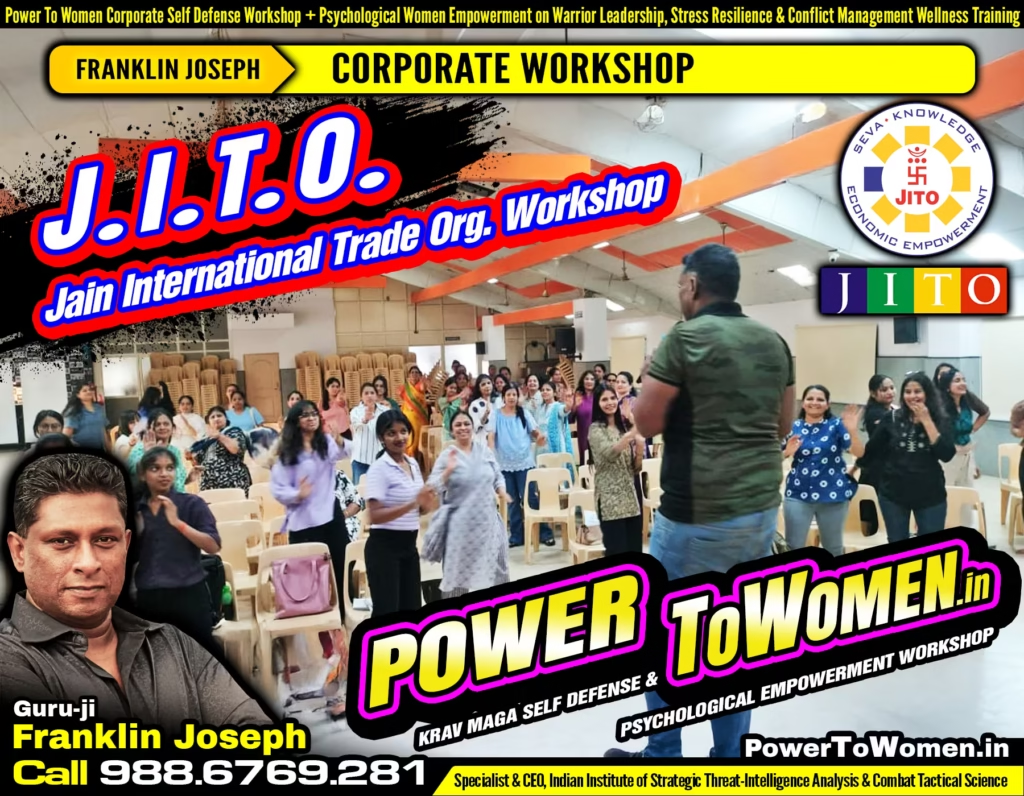
Jain International Trade Organisation (JITO) Power To Women Self Defense Workshop
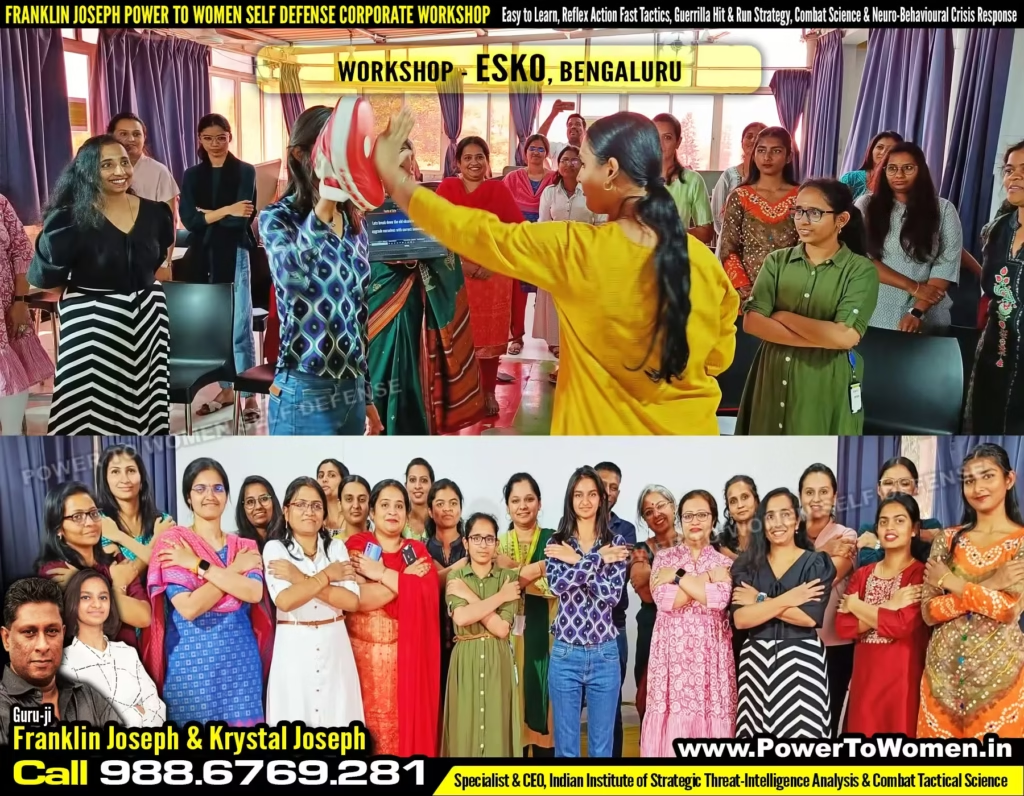
ESKO India International Women’s Day Corporate Self-Defence Workshop Bengaluru
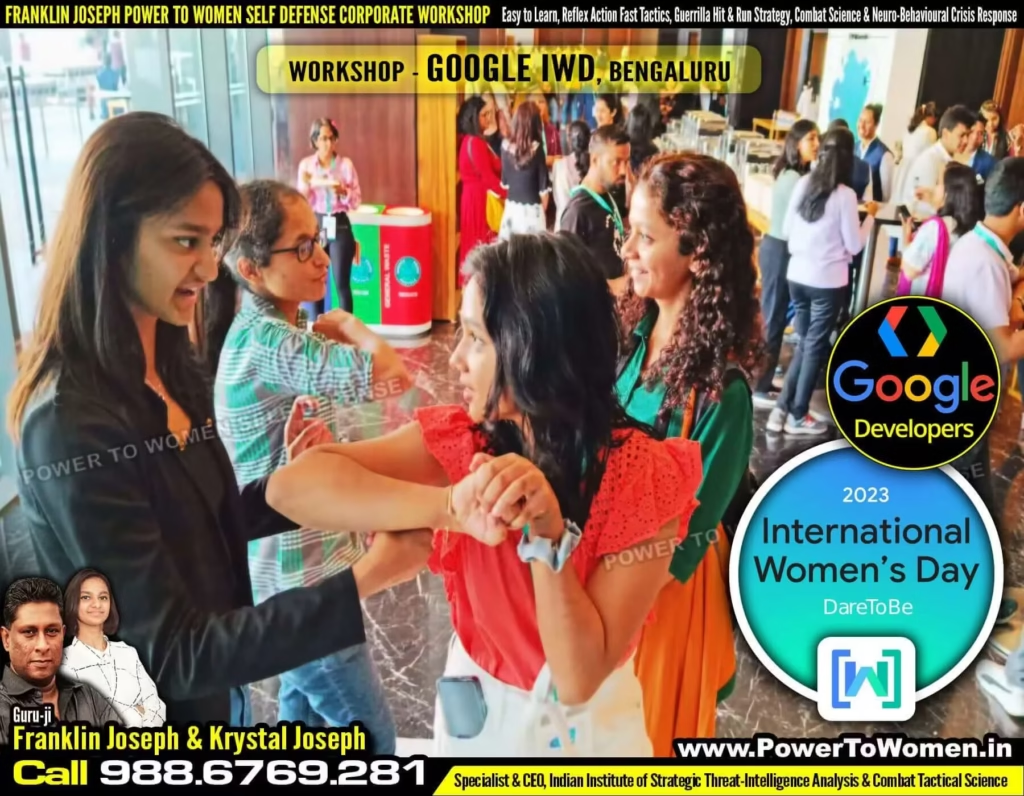
Google Women Techmakers Bengaluru ~ Power To Women Krav Maga Self-Defence and Psychological Women’s Empowerment Workshop by Franklin Joseph
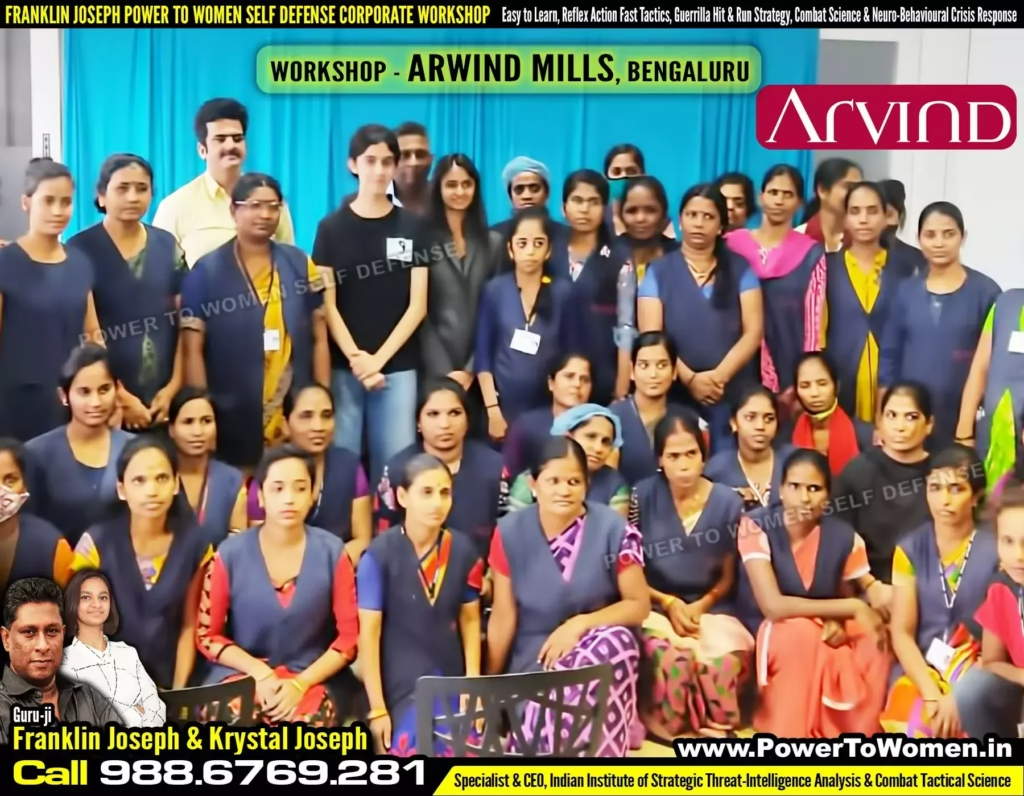
Arvind Mills Women Employee Safety Training ~ Power To Women Corporate Self-Defence Workshop Case Study
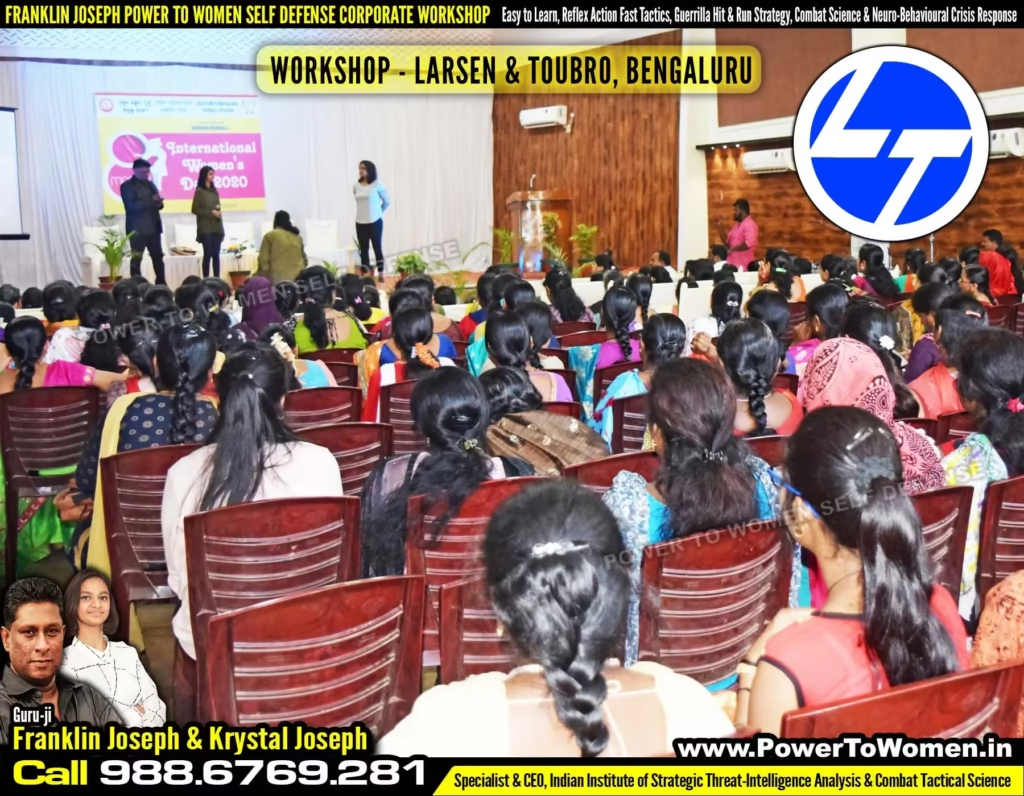
Larsen & Toubro Technology Women’s Empowerment Workshop ~ Corporate Self Defence Training Case Study Bengaluru

Amazon India Employee Safety Training ~ Online Corporate Women’s Empowerment Workshop Case Study Bengaluru
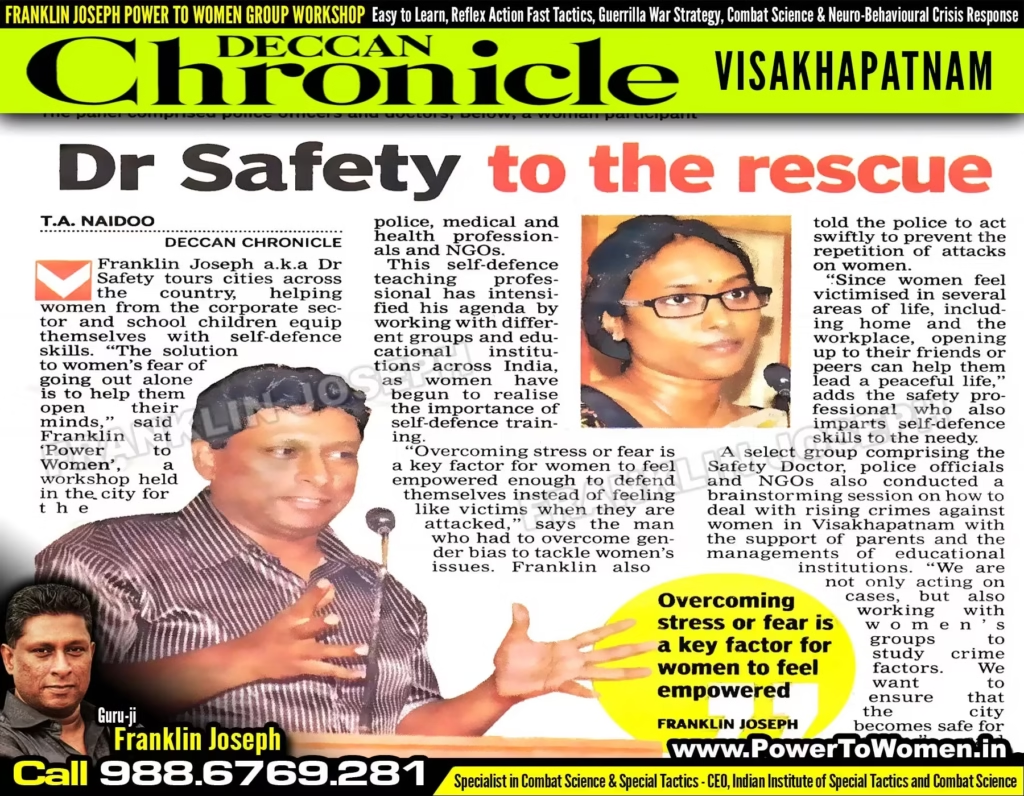
Deccan Chronicle Newspaper Article ~ Dr. Safety Franklin Joseph’s Women Empowerment Initiative Bringing Real Change to Visakhapatnam Communities

Dainik Jagran Newspaper Article ~ Learn the real self defense from Dr. Safety Franklin Joseph
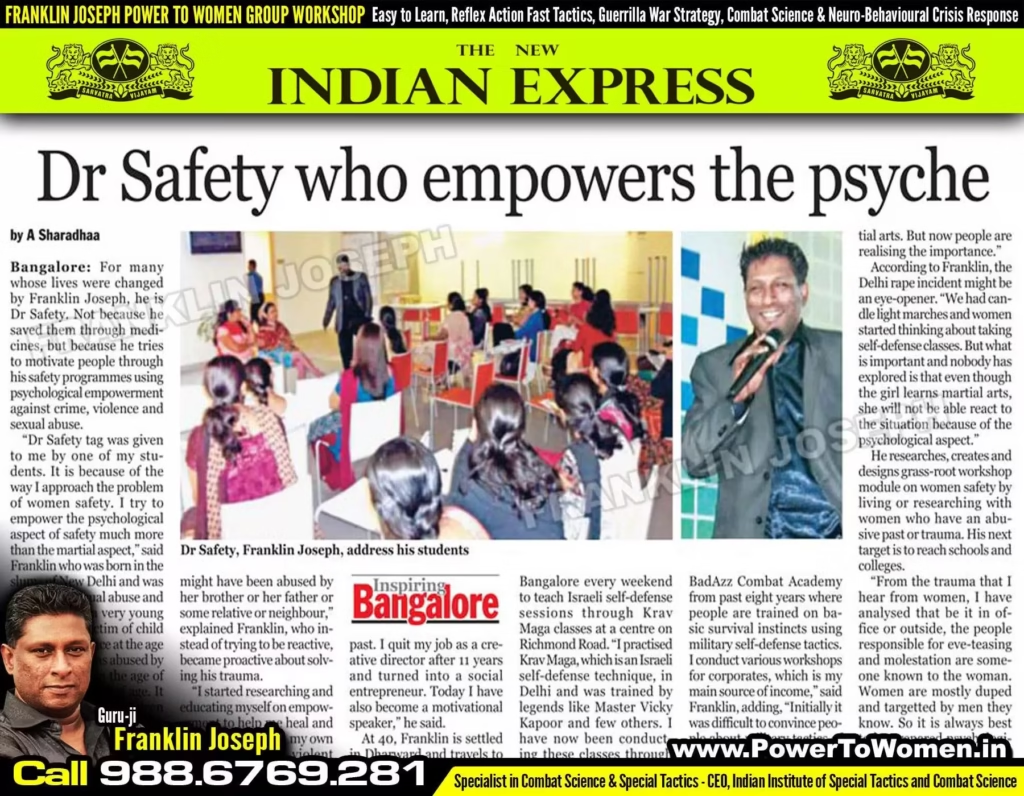
The New Indian Express Newspaper Article ~ Dr Safety who empowers the psyche
Call 9886769281 for Corporate Workshops From Childhood Trauma to Safety Empowerment: Dr. Safety's Transformational Journey Guruji Franklin Joseph, Founder and CEO of the Indian Institute of Threat-Intelligence Analysis ...
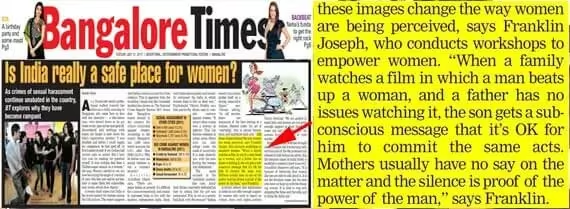
Bangalore Times Newspaper Article ~ Is India really a safe place for women?

Deccan Chronical Newspaper Article ~ Krav Maga Work your mind

Times of India Newspaper Article ~ Women execs learn to defend themselves

Franklin Joseph Article > Why Corporate Self-Defence Training for Women Is Not About Fighting ~ It Is About Coming Home Safe

Franklin Joseph Article > Corporate Sexual Harassment During Remote Work and Hybrid Meetings ~ How Online Harassment Works and How to Stop It
Franklin Joseph Article > Sexual Harassment by Clients and Vendors ~ Legal Rights for Indian Professionals Outside the Office
Franklin Joseph Article > Female Victims of Workplace Sexual Harassment ~ POSH Act Rights ICC Complaint Process and Recovery Strategies in India
Franklin Joseph Article > POSH Act Internal Complaints Committee Process ~ Step by Step Guide for Filing Workplace Sexual Harassment Complaints in India
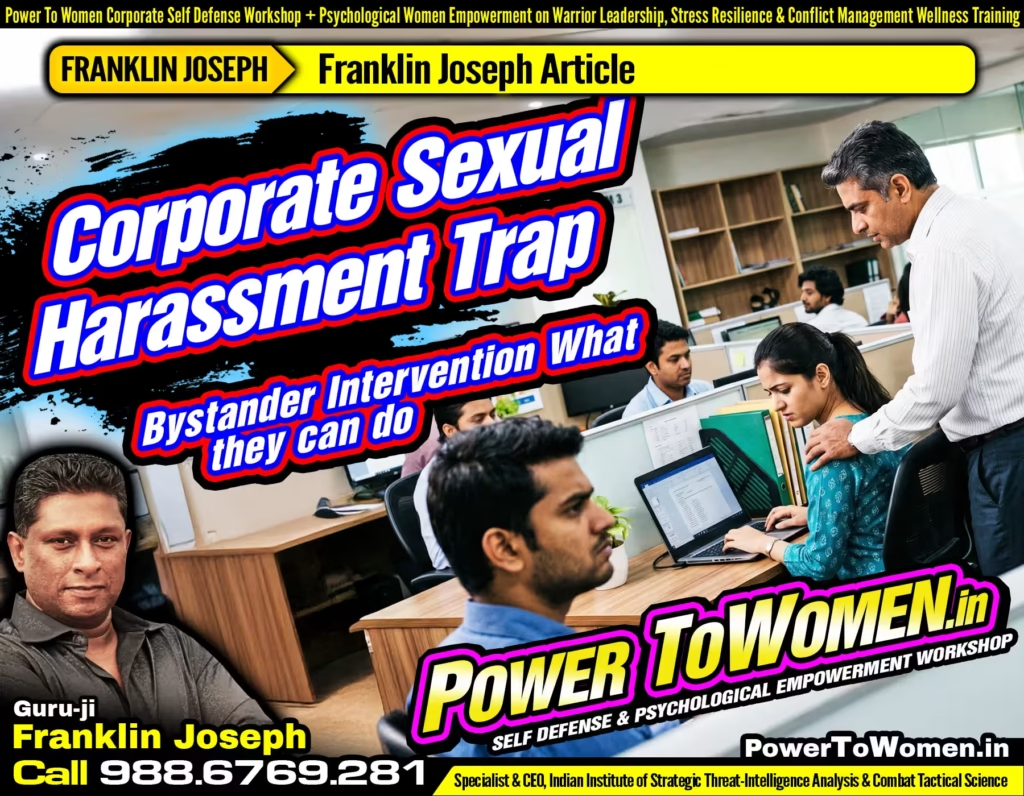
Franklin Joseph Article > Bystander Intervention in Corporate Sexual Harassment ~ What Colleagues Can Do When They Witness Harassment at Work

Ms. Priyamvada Advocate – Krav Maga Self Defence Training Impact on her Solo Travel Safety ~ Professional Women’s Transformation Through Corporate Empowerment Workshop
About Specialist Franklin Joseph